Available 24/7 | 0800 088 4170

Available 24/7 | 0800 088 4170
Sewage spills are often seen as rare, one-off incidents. In reality, they are part of a much wider issue across the UK’s ageing drainage infrastructure.
In England alone, there are hundreds of thousands of sewage discharge incidents recorded every year, many lasting for extended periods. While much of this occurs within wider systems, a significant number results in backups, leaks and contamination inside homes and commercial properties.
For property owners, landlords, and businesses, this means the risk is not theoretical, it’s something that can and does happen without warning. And when it does, the impact is immediate.
Not just in terms of disruption, but in the introduction of biohazard contamination that requires careful handling from the outset.
This is why sewage spills should never be treated as a routine cleaning issue, but as a health, safety and contamination event.
Skip to:
What a sewage spill actually looks like inside a property
The different categories of sewage contamination (why it matters)
Where diesel spills commonly occur on commercial sites
What actually happens beneath the surface
Where property owners often get it wrong
A typical sewage spill scenario
When a sewage spill requires professional clean-up and what happens next
Conclusion: Sewage spills are a contamination issue and not a cleaning task
FAQs
Sewage incidents don’t always begin dramatically. They often start as:
But beneath the surface, contamination can spread quickly. Sewage can:
By the time the issue becomes clearly visible, the affected area is often significantly larger than expected.
Not all water damage is treated the same and this is where many property owners get caught out.
In the restoration industry, water contamination is classified into categories:
Category 3 contamination is considered hazardous and requires specialist handling.
This classification determines:
Sewage is classified as a biohazard because it contains a complex mix of harmful contaminants. These can include:
Guidance from the UK Health Security Agency highlights the importance of avoiding exposure and ensuring proper decontamination following sewage incidents.
The challenge is that these risks are not always immediately visible but they can be significant, particularly in enclosed indoor environments.
Contact with contaminated water or surfaces can lead to illness, infection and skin irritation. Even small amounts of exposure can pose a risk if proper precautions are not taken.
When contaminated materials are moved or cleaned, particles can become airborne. This increases the risk of inhalation, particularly in poorly ventilated spaces.
Sewage does not stay contained to one area. It can spread through:
This can transfer contamination to other rooms, surfaces and belongings.
Certain groups are more susceptible to the effects of exposure, including:
For these occupants, even limited contamination can present a more serious health concern.
A sewage spill is rarely just what you can see. In real-world scenarios, contamination often:
For example:
This is why a space can appear clean but still be unsafe.
Sewage incidents are frequently underestimated. Common mistakes include:
These approaches often leave contamination behind, leading to ongoing issues.
Improper sewage cleaning doesn’t just leave a hygiene issue, it creates longer-term problems. These can include:
For landlords and businesses, this can lead to:
In many cases, addressing the issue properly early on is far more cost-effective.
A common situation might involve a blocked drain in a ground-floor property. Initially, there may be:
Within hours, this can escalate to:
By the time action is taken, the contamination has often spread far beyond the original source.
When sewage began leaking into the kitchen ceiling of a care home in Cambridge, the incident quickly escalated into a potential health crisis. So, we mobilised a two-person team and the entire contamination was remedied in just one visit. Read the full case study .
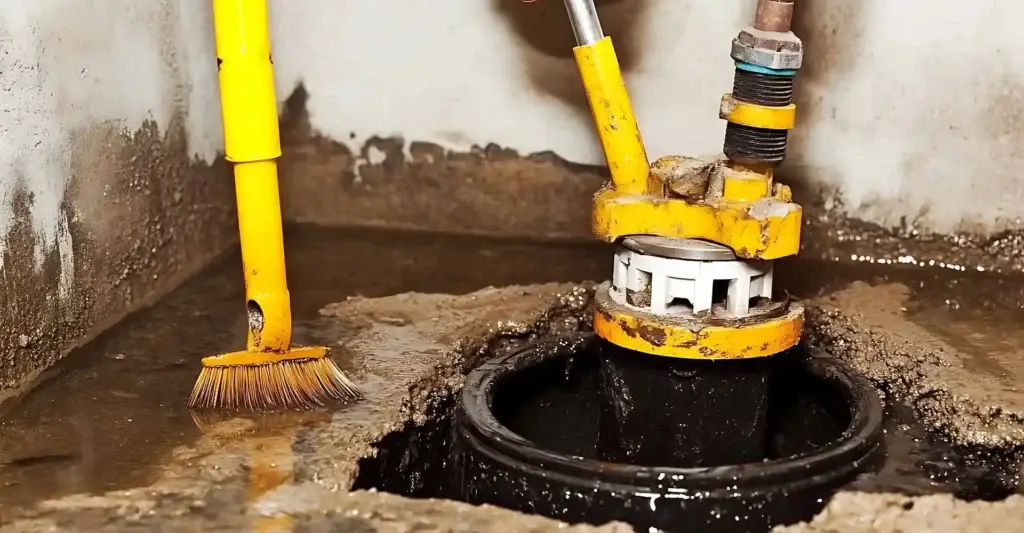
There is a clear point where a sewage incident moves beyond something that can be safely managed with basic cleaning.
Professional support should be considered where:
At this stage, the priority shifts from surface cleaning to controlled, safe decontamination.
Early intervention is key. Acting quickly helps prevent contamination from spreading further and reduces the risk of more extensive damage.
Sewage spills are more common in UK properties than many realise and the risks extend far beyond what is visible. The key points are clear:
The difference between a contained incident and a long-term problem often comes down to how it is handled in the first 24 – 48 hours.
Acting quickly and involving the right expertise ensures:
If you are dealing with a sewage spill, Ideal Response provides specialist sewage and biohazard clean-up services across the UK, helping restore properties safely, thoroughly and with minimal disruption.
Contact the team today for expert advice and rapid response.

Chris Hedges is Head of Marketing at Ideal Response and the author of every article published on this site. With over 25 years of senior marketing experience across property, legal, and professional services sectors, Chris brings a clear, evidence-led approach to writing about fire damage, flood restoration, and specialist property remediation. His philosophy is simple: cut through the noise, respect the reader's time, and give people the information they actually need.
Explore more articles about damage restoration, specialist cleaning and what we do
If you’re dealing with fire damage, flooding, or an environmental incident, our team is ready to respond. No matter if you have a question or have an emergency that you need help with, call:
If you’d prefer to drop us a message, use our main contact form and upload any pictures of the incident. Would you like us to call you? Fill out the short ‘Request a call back’ form.


