Available 24/7 | 0800 088 4170

Available 24/7 | 0800 088 4170
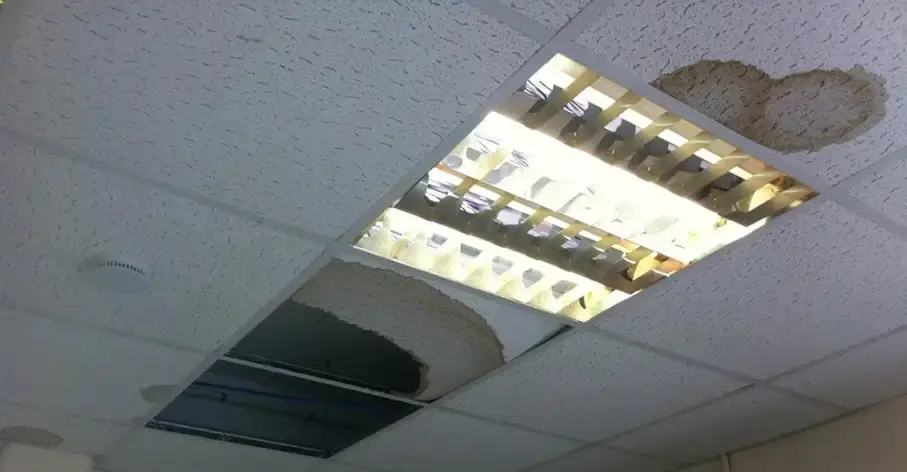
A rooftop water tank ruptured at Universal House, sending water through three floors of the London office building and affecting key working areas below. The scale of the escape of water meant the response needed to move quickly from initial water removal into environmental stabilisation and structural drying.
The incident disrupted normal use of the building, with staff temporarily relocated from affected areas. The priority was therefore not only to dry the property, but to create conditions in which usable parts of the office could begin returning to operation while the wider drying programme continued.
Ideal Response attended within hours and began emergency measures the same evening. Standing water was extracted, specialist drying equipment was installed and moisture conditions were monitored over the following two weeks as the building progressively dried.
Commercial flood recovery does not always have to be an all-or-nothing process. Where conditions allow, stabilising the environment and monitoring moisture can support a phased return to use while structural drying continues elsewhere. At Universal House, that approach helped reduce the operational impact of a flood that had travelled through three floors.
The rupture occurred at roof level, allowing water to move down through three storeys and into occupied office areas. This created a drying challenge across multiple building elements rather than a single wet floor. The immediate response focused on removing standing water and reducing the amount of time moisture remained within the affected environment. Once the bulk water had been dealt with, attention could shift to stabilising humidity and drying the building fabric.
Within 24 hours, portions of the office space were able to return to use while the wider drying programme continued. This allowed some staff to return rather than waiting for every affected area to complete the full drying cycle.
The overall drying and restoration programme was completed over two weeks. For a multi-floor commercial flood, the value of the response was therefore not simply the final dry condition, but the ability to recover usable areas progressively while the remainder of the building was still being managed.
“Ideal Response were fantastic in responding to the clean-up and drying challenge we faced. Once the drying equipment was installed, they kept us updated at regular intervals. Their quick response prevented further damage that could have led to significant business losses.”

“Once the standing water has gone, the important question is how much moisture remains within the building and where it is being held. On a multi-floor escape of water, drying has to be monitored over time because different materials release moisture at different rates. Regular readings give the team evidence to manage the drying environment and decide when areas are genuinely progressing.”
Explore more articles about damage restoration, specialist cleaning and what we do