Available 24/7 | 0800 088 4170

Available 24/7 | 0800 088 4170
Knowing how to remove soot from walls correctly is the difference between a successful restoration and permanent property damage. Soot is not typical dirt; it is a complex mixture of carbon particles, chemicals, and resins created by incomplete combustion. Because soot is often acidic and oily, improper cleaning can smear the particles deeper into the wall’s pores, causing permanent staining and lingering odours. Failure to completely remove soot can also lead to further secondary damage occurring over time. In most cases professional remediation is the best and safest option for your health and properties long-term condition. In this guide, we outline what are the most effective methods to clean soot off walls and when the complexity of soot damage requires professional soot and ash cleaning or fire damage cleaning and restoration .
Skip to:
The most effective soot removal methods for walls
Why DIY soot removal often fails
Important tips & considerations for soot removal
Technical consideration for property owners
FAQs
The most effective method for soot removal is dry cleaning before any liquid-based solutions are applied. Soot particles are extremely fine; adding water or household detergents prematurely can turn the dry powder into a thick, oily sludge that bonds to the paint or plaster.
For most fire-damaged properties, the gold standard is the use of specialised dry chemical sponges (also known as soot sponges).
Before any physical contact, use a vacuum with a HEPA filter. Holding the nozzle slightly away from the wall can extract loose particles. Standard household vacuums should be avoided, as they often lack the filtration necessary to trap soot, potentially exhausting the particles back into the room and worsening the smoke damage after a small fire .
Only once as much dry soot as possible has been removed should you proceed to wet cleaning. Using a professional-grade degreaser or a TSP (trisodium phosphate) solution can help break down the oily resins. This is often necessary for commercial fire damage restoration , where synthetic materials may have burned.
The Ideal Response team have tended to countless UK properties affected by the likes of soot, ash and fire damage. To learn more about our process and what successful soot removal looks like check out our Soot & Fire Damage Cleaning Decontamination case study. You can also visit our Smoke & Soot Deposit Cleaning case study that took place in a domestic property in London .
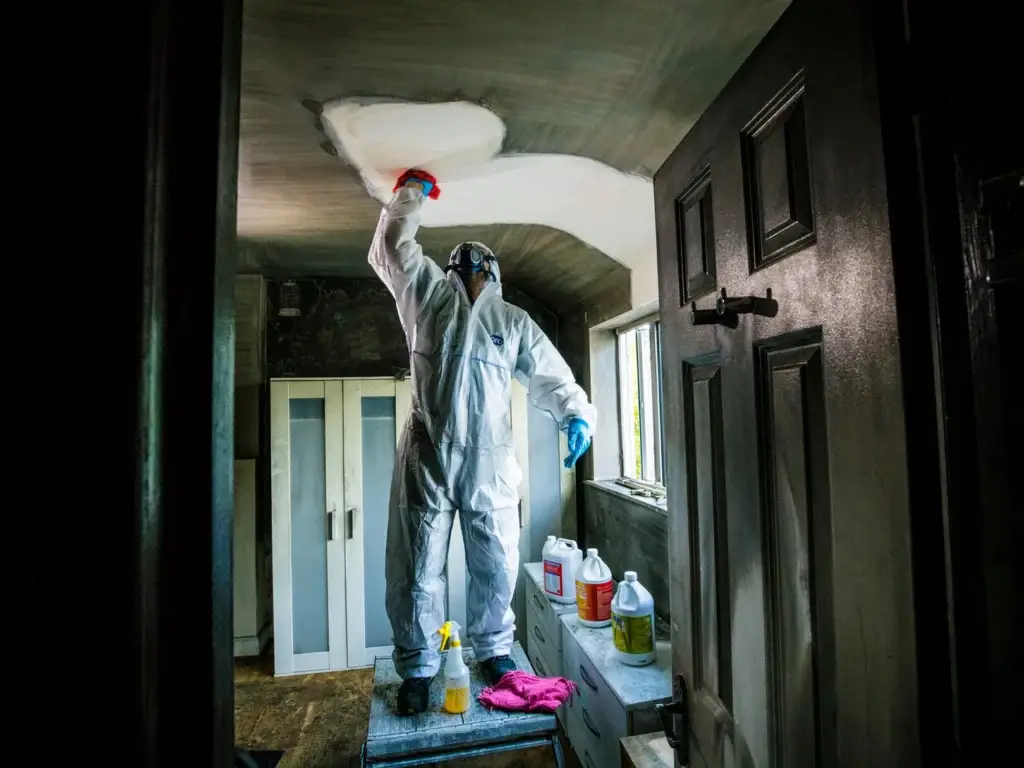
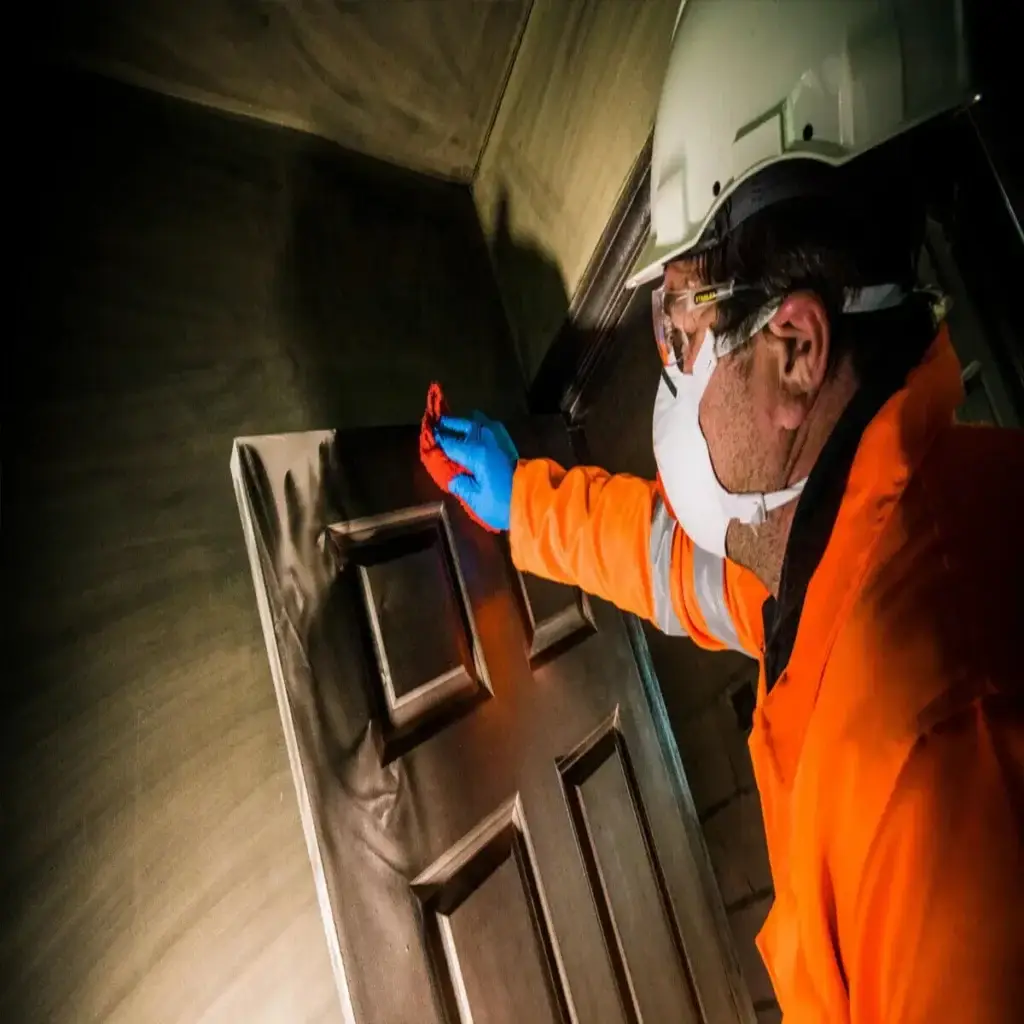
While small areas of light soot might be manageable, the risks of a DIY approach are significant:
If you are dealing with a fire in the workplace, the scale of the soot distribution is likely much wider than what is visible. Soot travels through HVAC systems and settles behind voids and furniture.
A professional technician will assess the type of soot, whether it is “Dry Soot” (from high-heat wood fires) or “Oily Soot” (from plastics and furnace puffs). Each requires a distinct chemical approach to ensure the wall is returned to a pre-loss condition. Ideal Response has over 20 years experience providing UK property owners, insurers and loss adjusters with professional soot and ash removal. We have carried out extensive assessments and safety restored countless properties back to a safe pre-incident condition.
Understanding how to remove soot from walls starts with the realisation that “less is more” during the initial phase. Avoid the urge to use wet cloths immediately. By utilising dry sponges and HEPA filtration, you protect the underlying structure.
For significant soot coverage or lingering smoke odors, professional remediation is the only way to ensure the property is safe and habitable.
If your property has suffered smoke or soot damage, contact Ideal Response for expert fire damage restoration and industrial cleaning services.

Chris Hedges is Head of Marketing at Ideal Response and the author of every article published on this site. With over 25 years of senior marketing experience across property, legal, and professional services sectors, Chris brings a clear, evidence-led approach to writing about fire damage, flood restoration, and specialist property remediation. His philosophy is simple: cut through the noise, respect the reader's time, and give people the information they actually need.
Explore more articles about damage restoration, specialist cleaning and what we do
If you’re dealing with fire damage, flooding, or an environmental incident, our team is ready to respond. No matter if you have a question or have an emergency that you need help with, call:
If you’d prefer to drop us a message, use our main contact form and upload any pictures of the incident. Would you like us to call you? Fill out the short ‘Request a call back’ form.


