Available 24/7 | 0800 088 4170

Available 24/7 | 0800 088 4170
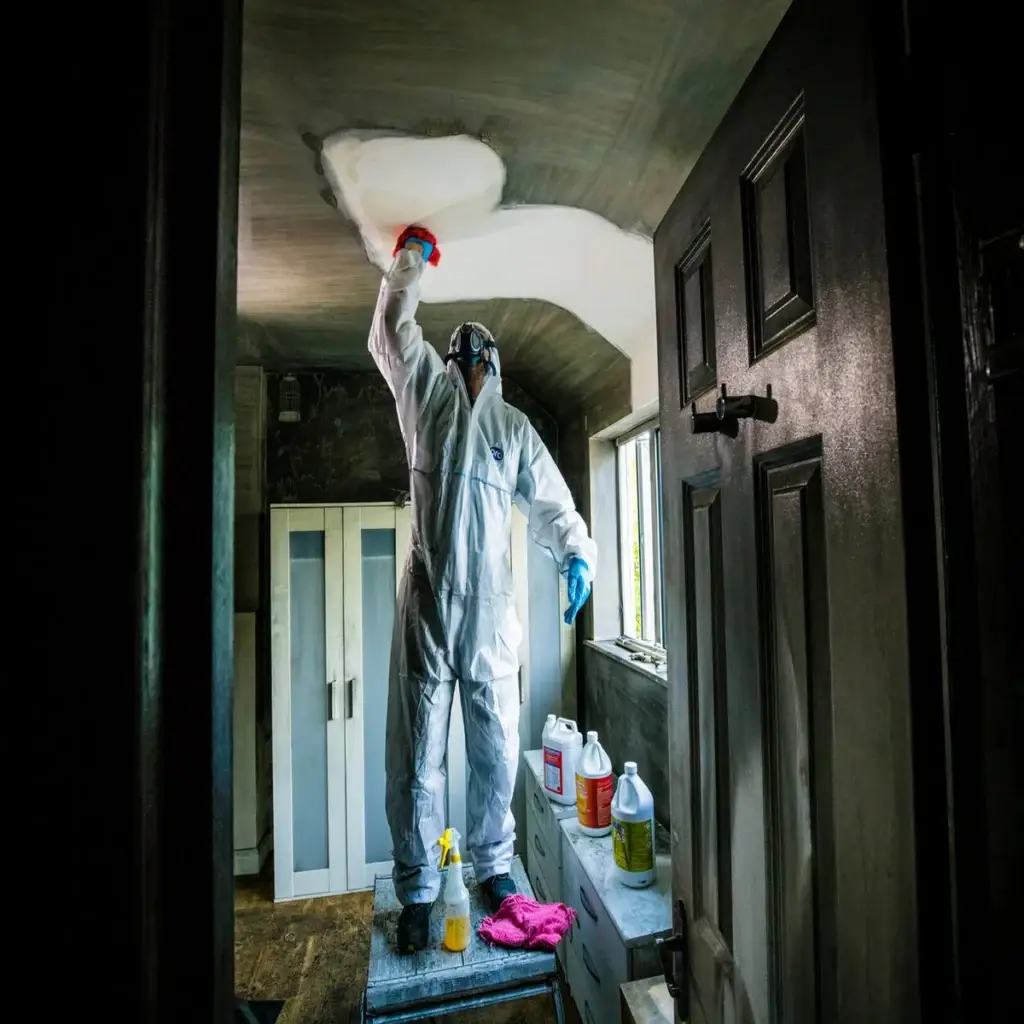
Yes. Professional mould remediation treatments for persistent bathroom mould include containment, HEPA vacuuming, industrial biocide application and ULV fogging, a multi-stage process that removes surface mould, airborne spores and addresses the underlying damp issue causing regrowth.
Skip to:
What is the difference between mould removal & mould remediation?
When should you seek treatment for bathroom mould?
What does professional bathroom mould treatment involve?
Why do I have bathroom mould?
Is professional mould removal worth the cost?
What factors affect the cost of professional mould treatment in the UK?
Is bathroom mould bad for your health?
How can I prevent bathroom mould from returning?
FAQs
Mould removal is something that anyone can do. It focuses on removing only surface level mould and does not address the underlying issue causing it. It is a quick fix for a visual symptom but not a cure for underlying damp. Whereas professional mould remediation is a service delivered by reputable experts, delivering multi-stage cleaning to fully remove all traces of mould from a property. Unlike mould removal, remediation goes beyond surface level cleaning and tackles the underlying moisture issues causing the mould to grow. Visit our mould removal vs mould remediation blog to learn more.
| Factor | Mould Removal | Mould Remediation |
|---|---|---|
| Definition | Cleaning visible mould from surfaces | A multi-stage approach to eliminate mould, remove spores and underlying moisture issues |
| Approach | Treats visible mould | Treat the source, not just the visual symptom |
| Level of treatment | Surface-level cleaning | Includes containment, HEPA vacuuming, biocidal treatment, ULV fogging |
| Does it address the root cause? | Rarely | Yes, it identifies the underlying cause of the mould |
| Risk of re-growth | Very high | Very low when carried out correctly |
| Who does it? | Homeowners or general cleaners | Professional service providers and trained technicians |
| Best for | Small amounts of surface mould with no underlying damp issues | Persistent, recurring or extensive mould growth spanning large areas or multiple rooms |
There are two clear thresholds that indicate you should stop attempting DIY removal and call in a professional mould remediation specialist.
The 10 square foot rule:
If the mould covers an area larger than 10 square feet (roughly a 3ft x 3ft patch), professional remediation is strongly recommended. At this scale, the volume of airborne spores produced during cleaning poses a genuine health risk without proper containment equipment, and the likelihood of an underlying damp issue is significantly higher. A professional damp survey is essential for identifying these underlying issues and ensuring a long-term mould free bathroom.
Persistent or recurring mould:
If mould keeps returning in the same area despite repeated cleaning, DIY products are not solving the problem. Surface-level removal leaves spores behind and does nothing to address the moisture issue causing the growth. Each time the mould returns it is likely spreading further, including into wall cavities and behind surfaces where it is not visible.You should also seek professional treatment if any of the following apply:
Expert tip from Ideal Response: Many homeowners wait too long before calling a professional, having spent months repeatedly cleaning the same patch. By the time we carry out an assessment, the mould has often spread significantly beyond what is visible on the surface. Early intervention is nearly always cheaper and faster to resolve. Our experts always recommend that you consult with a professional and deal with any mould and damp issues as soon as you first notice them.
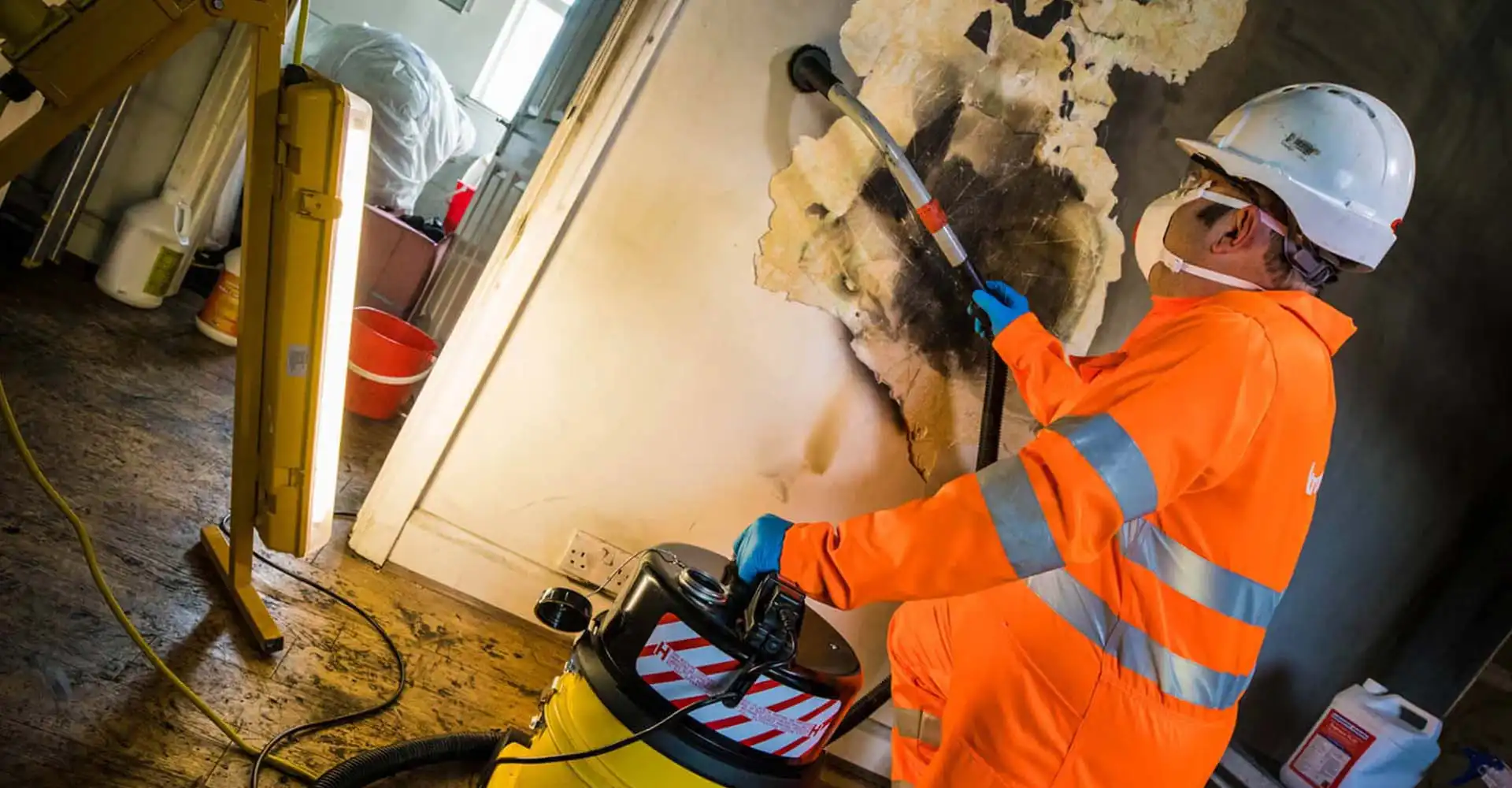
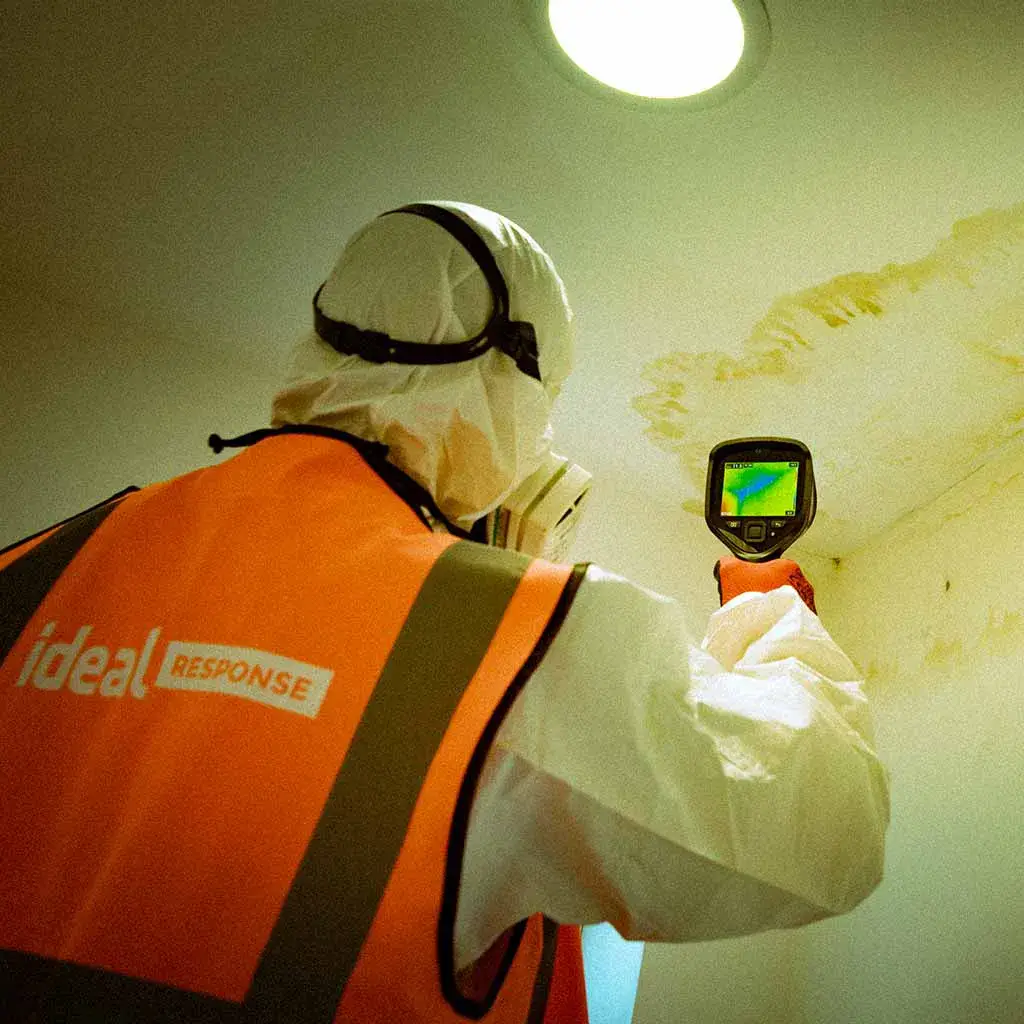
Professional mould removal and remediation services follow a strict, systematic approach that ensures every key stage of the clean is carried out correctly, removing all traces of mould and spores while limiting the chances of regrowth. At Ideal Response, our process goes beyond the surface:
Mould is a symptom of an ongoing moisture issue, persistent damp creates the conditions for mould to grow. Persistent damp and moisture issues in your bathroom can be caused by a few different things. At Ideal Response, the most common cause of ongoing moisture issues we find in bathrooms is condensation and lack of ventilation. These are a few of the possible reasons:
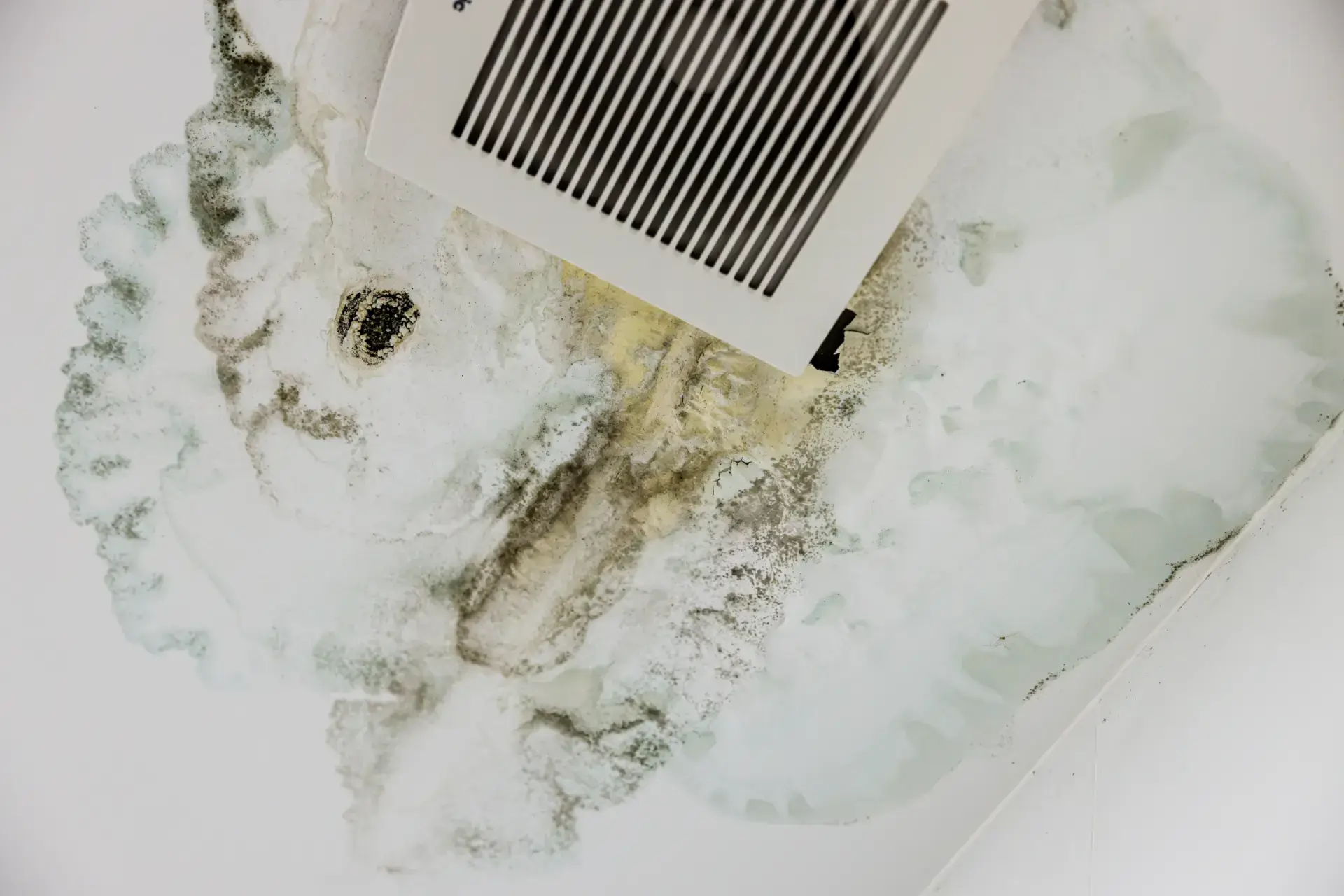
Yes. Professional mould removal is worth the cost when carried out correctly. When each stage of the process is carried out correctly it delivers results far beyond what a DIY clean can provide. The average cost of mould removal for the bathroom of a UK property can range from £250-750 depending on the size and scale of the issue. A small fee in comparison to the potential cost of the structural issues caused by untreated mould. Black mould is also toxic and can lead to chronic illness with long-term exposure. Visit our black mould blog to learn more.
Every property is different, and the exact cost depends on the size and severity of the mould. The fastest way to get an accurate figure for your bathroom is a free assessment from our team.
There are a few different factors that play a part in the final cost of mould remediation. These factors include:
If you're dealing with persistent bathroom mould in Maidstone , London or elsewhere across Kent and the South East, professional assessment is only ever a call away. Our BDMA- accredited technicians cover the region and can typically attend within 24-48 hours of an enquiry. Take a look at our service areas to check coverage near you. Ideal Response has teams of trained and experienced located throughout the South-East. This ensures that no matter where you are we have qualified teams local to you, ready to help. Ideal Response has over 20 years of experience helping UK homeowners deal with stubborn bathroom mould. Rather than just treating the symptoms we focus on identifying and treating the cause and therefore delivering lasting results.
Yes, prolonged exposure to mould can severely impact your health and wellbeing. Many species of mould are toxic and can lead to respiratory issues and in extreme cases even death. You can find out more about the health risks of damp and mould on the GOV website. Prolonged exposure to mould can lead to:
If you’re experiencing any of these symptoms, don’t waste time. Visit our Mould Removal & Remediation page to learn more about how Ideal Response can help.
Ensuring that you have adequate ventilation in your bathroom is one of the best ways to prevent bathroom mould growth. Installing an extractor fan if you do not have one is worth the investment. If you already have an extractor fan installed but still suffer from recurring mould, we recommend that you have it serviced and potentially replaced with something better. You can also address certain lifestyle factors that could be adding to the moisture issues:

Chris Hedges is Head of Marketing at Ideal Response and the author of every article published on this site. With over 25 years of senior marketing experience across property, legal, and professional services sectors, Chris brings a clear, evidence-led approach to writing about fire damage, flood restoration, and specialist property remediation. His philosophy is simple: cut through the noise, respect the reader's time, and give people the information they actually need.
Explore more articles about damage restoration, specialist cleaning and what we do



If you’re dealing with fire damage, flooding, or an environmental incident, our team is ready to respond. No matter if you have a question or have an emergency that you need help with, call:
If you’d prefer to drop us a message, use our main contact form and upload any pictures of the incident. Would you like us to call you? Fill out the short ‘Request a call back’ form.