Hoarder cleaning overview
- What it is
- Clearing and deep-cleaning a home affected by hoarding, with belongings sorted carefully for keeping or being thrown away
- Who we help
- People living with hoarding, worried friends and family, social workers, councils, housing providers and
charities
- Cost
- A fixed price, usually quoted from photos or a short video, before any work starts.
- How we work
- At the person's pace, with what is kept and what goes agreed beforehand
- Belongings
- Documents, valuables, photographs and keepsakes set aside, never binned
- How long
- From a day to several weeks, depending on the home and the person
- Not included
- Building repairs and redecoration
If you are worried about someone you love
Many of our calls come from a son, daughter, sibling or friend who has seen inside a home and does not know what to do next. That is a hard place to be, and you do not need to have the answers before you call.
Talk to us first, with no obligation
Tell us what you have seen and what worries you most. We will explain what is possible and what
usually happens next.
A quote without a visit
A few photos or a short video of each room is usually enough for us to give you a fixed price, so
nobody has to be put through a visit before anything is agreed.
The person stays involved
Clearing a home without the person's agreement rarely lasts and can cause real distress. We plan
the work with them, and with you, so they feel in control.
Nothing important is lost
Paperwork, photographs, jewellery and anything with sentimental value is set aside, and we check
before anything is removed.
We are discreet
Unmarked vehicles, plain clothing and no signs outside, so neighbours need not know.
You do not have to be there throughout
If you live further away, we can keep you updated with photographs and progress reports.
“We encountered a serious situation with a family member who had been hoarding for about 3 years. I contacted Ideal Response and they provided both availability and a better quotation than other providers. I cannot praise Elena and her colleagues enough for the professionalism of their work and dedication to complete everything within the time frame. Everything was handled sensitively and with compassion.”
Hugh Ogilvie · Family Member
If you are living with hoarding
You are not alone, and it is not your fault. Many people we help have been through bereavement, illness or a difficult period in their life. You can call us yourself, in confidence, or send a few photos if that feels easier. We will listen, explain your options, and only do what you agree to.
Understanding the scale
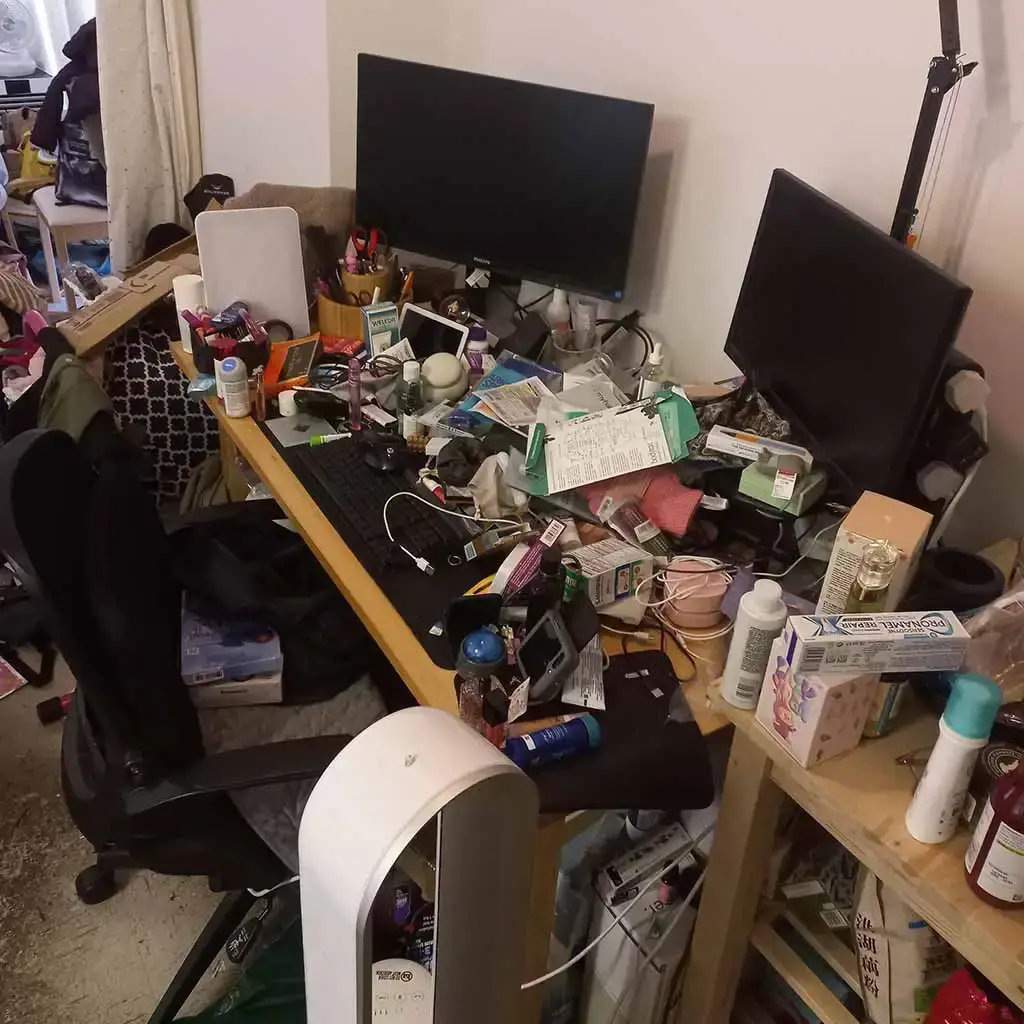
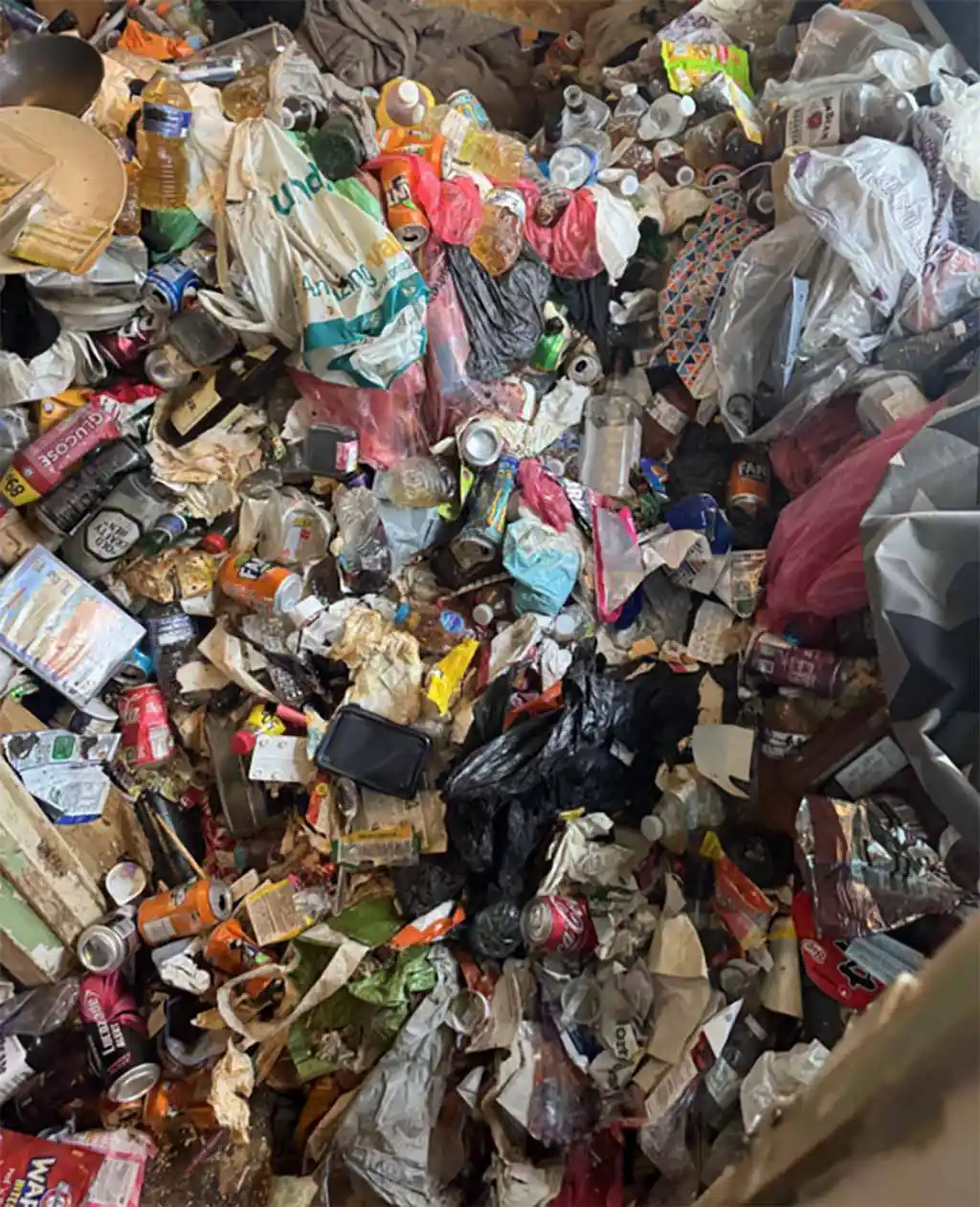
Councils, housing providers and support services often use the Clutter Image Rating, a 1 to 9 picture scale, to describe how cluttered a room is. It helps everyone agree on what is needed.
| CLUTTER RATING | WHAT IT LOOKS LIKE | TYPICAL RESPONSE |
|---|
| 1 to 3 | Cluttered, but rooms can still be used | Support and gradual decluttering |
| 4 to 6 | Rooms hard to use; some hazards | A planned hoarder clean, with sorting |
| 7 to 9 | Rooms unusable; safety and hygiene risks | Specialist hoarder cleaning, often with deep cleaning or decontamination |
How hoarder cleaning differs from decluttering and domestic cleaning
Decluttering services and domestic cleaners do valuable work, but a home affected by hoarding usually needs more. The clutter may hide hazards, the person may find every decision difficult, and belongings need careful sorting rather than quick removal.
| DECLUTTERING | DOMESTIC CLEANING | HOARDER CLEANING |
|---|
| Who it suits | Homes that are cluttered but still usable | Homes that are
already clear
and need regular
cleaning | Homes where clutter has become a safety or hygiene risk |
| What is involved | Organising and reducing possessions, often over several sessions | Routine cleaning of surfaces, kitchens, and bathrooms | Clearing, sorting and deep cleaning, often with decontamination |
| Hazards | Rarely an issue | Not designed for them | Sharps, pests, rotting food, mould or bodily fluids handled by trained technicians in protective equipment |
| Belongings | Sorted with the
owner | Usually left as they are | Searched carefully: documents, valuables, and keepsakes are set aside before anything is removed |
| Waste | Small amounts | Household rubbish only | Large volumes of hazardous items are removed lawfully as a registered waste carrier |
| Working with others | Usually just the owner | Usually just the owner | Often alongside family, social workers, housing providers, and charities |
| Records | Rarely | Rarely | Before-and-after photographs, a summary of the work and waste transfer notes |
When decluttering or a cleaner may be enough: if rooms can still be used, there are no hazards, and the person is ready to sort things themselves, a declutterer or a regular cleaner may be the right first step. We will tell you honestly if we think that is the case. When you need a hoarder cleaning specialist: when rooms or exits are blocked, there are signs of pests, mould or contamination, the volume of waste is beyond a few bags, or professionals are involved and need records of the work.
What happens to belongings
Kept
Anything the person chooses, plus all documents, photographs, money and valuables we find.
Checked before removal
If we are unsure whether something matters, we ask first.
Recycled
As much of the waste as possible.
Disposed of
Lawfully, as a registered waste carrier, with waste transfer notes.
The Sorting Process (Keep, Donate, Discard)
Approaching the sorting process with a hoarder requires immense patience and a compassionate, structured approach. This is not about simply throwing things away; it’s about helping the individual regain control and make difficult decisions. The “Keep, Donate, Discard” method is a proven strategy that provides a clear framework and helps to reduce anxiety.
- Keep: These are the essential items that are necessary for daily life, as well as those with significant sentimental or financial value. It’s crucial to empower the individual to make these choices themselves. This could include important documents, cherished family photos, or a small number of items they have a strong emotional attachment to.
- Donate: This category is for items that are still in good condition and can be re-purposed to help others. Suggesting a local charity or a shelter for these items can provide the individual with a sense of purpose and a positive outcome for their possessions.
- Discard: This is for items that are broken, unusable, or hazardous. The goal is to safely remove waste that poses a threat to health and safety. This can include old food, damaged furniture, or items that have been contaminated.
Benefit: This method gives the individual control over their possessions, reducing anxiety and resistance.
How much does hoarder cleaning cost?
The cost depends mostly on the level of hoarding and whether there is contamination, such as mould, pests, rotting food or bodily fluids. These are often hard to judge fully from photos, so most clients book us by the day.
How day-by-day booking works
Start with one day
You book a first day at a fixed day rate. Our team makes the home safer, starts clearing and sorting, and assesses the property properly as they go.
See the progress
At the end of the day, you see what has been done, with photographs if you are not there.
Decide the next step
We tell you honestly how many more days we expect it to take, and you book the next day only
if you want to.
Stay in control
There is no commitment beyond the days you book, and the pace can slow down if the person
needs it.
| WHAT YOU PAY FOR | PRICE |
|---|
| One day, with a specialist team, equipment and waste removal | Dependent on the severity of the situation. Talk to one of our team to get an exact cost |
| Further days | The same day rate, booked one day at a time or in a block |
| Heavy contamination or hazardous waste | Any extra cost is explained and agreed upon before the work is done |
From your photos, we can usually give you a rough idea of how many days a home may need, so you can plan.
What affects how many days it takes
The level of hoarding, using the Clutter Image Rating
Contamination, such as mould, pests, rotting food or bodily fluids
The size of the property and how many rooms are affected
The volume of waste, and any hazardous items such as sharps or chemicals
How quickly the person is comfortable going
Who pays?
The person, or their family
Many families share the cost, and day-by-day booking makes it easier to budget.
Councils and social services
Sometimes funded as part of a care or support plan. Ask the person's social worker.
Housing providers
Landlords and housing associations sometimes fund a clear to help sustain a tenancy.
Charities
Some charities can help with grants.
Insurance
Home insurance does not usually cover hoarder cleaning, but it may cover some trauma or contamination cleaning. Check the policy.
How we carry out hoarder cleaning
Step 1Talk firstWe agree goals, pace and what must be kept with the person and anyone supporting them.
Step 2Make safeAny hazards, such as sharps, pests or contamination, are dealt with first.
Step 3Sort togetherItems are sorted into what is kept and what is removed. Documents and valuables are always set aside.
Clear and deep cleanRetain cleanable items where appropriateWaste is removed lawfully, and the home is deep-cleaned and deodorised.
Step 5Leave it liveableRooms are safe and usable again, with photographs of the finished home.
Why choose Ideal Response for hoarder cleaning
Empathetic approach
No matter who you talk with at Ideal Response, we always take a considered and empathetic approach
Experience counts
We’ve helped 100s of people affected by the impact of hoarding throughout the UK
Pay for one day at a time
Start with a day, see the progress, then decide
It's personal
Every hoarder clean is different. That’s why we personalise our approach to get the best results
Peace of mind
From the moment you call, we’ll guide you through the hoarder cleaning process, so you’re not left with any uncertainty
Every job is different; you get a timeline after the assessment. Standards we work to: COSHH, Environment Agency waste rules
Where our work stops
We clear, clean and decontaminate. We do not carry out building repairs or
redecoration, and we are not a substitute for the person's ongoing support
from health or social care services.
What happens when you first contact us
Step 1Tell us about the home and the personBy phone or the form. Share only what you are comfortable sharing.
Step 2Send photosA few photos or a short video of each room, so we can explain the cost and roughly how many days it may take.
Step 3Book a first dayBooked at a fixed day rate once payment or a purchase order is in place.
Step 4 See the progressAt the end of the day you see what has been done, and decide whether to book the next day.
Step 5HandoverBefore-and-after photographs and a record of the work.
Recent hoarder cleaning projects
Trauma and hoarder clean after a bereavement in Tooting
Service
Hoarder & Trauma Cleaning
Six van loads of waste were removed and every room was deep-cleaned. Documents, valuables and
personal belongings were sorted out of the waste and set aside for the family.
Related services and guides