When you first spot a dark patch spreading across your bathroom ceiling or behind a wardrobe, your first instinct is likely to find a way to get rid of it. You may search for mould removal products or try a DIY scrub with bleach. However, for UK property owners, there is a critical distinction between simply cleaning a surface and ensuring the problem never returns.
This is where the difference between mould removal and mould remediation becomes vital. While they are often used interchangeably, understanding the technical gap between the two can save you thousands in recurring repair costs and protect your health from long-term exposure. In this article we provide you a detailed explanation, highlighting the key differences between mould removal and remediation, as well the underlying cause of mould growth in UK properties.
Ideal Response has over 20 years of experience helping UK property owners, tenants and businesses overcome their mould issues. From our expertise in damp surveying and moisture detection to our mould remediation services, we use our expertise to help treat the root cause of the issue and ensure long-lasting results.
Skip to:
Mould removal vs. Mould remediation
Uncovering the cause of mould growth
Benefits of professional mould remediation
Comparing mould removal and mould remediation
To understand the difference, we must look at how mould behaves. As we explored in our guide on what is black mould, fungi are micro-organisms that release invisible spores into the air.
Mould Removal: This is the physical act of cleaning the visible mould off a surface. It is often a “surface-level” treatment. While it makes the wall look clean again, it rarely addresses the microscopic roots (hyphae) or the airborne spores.
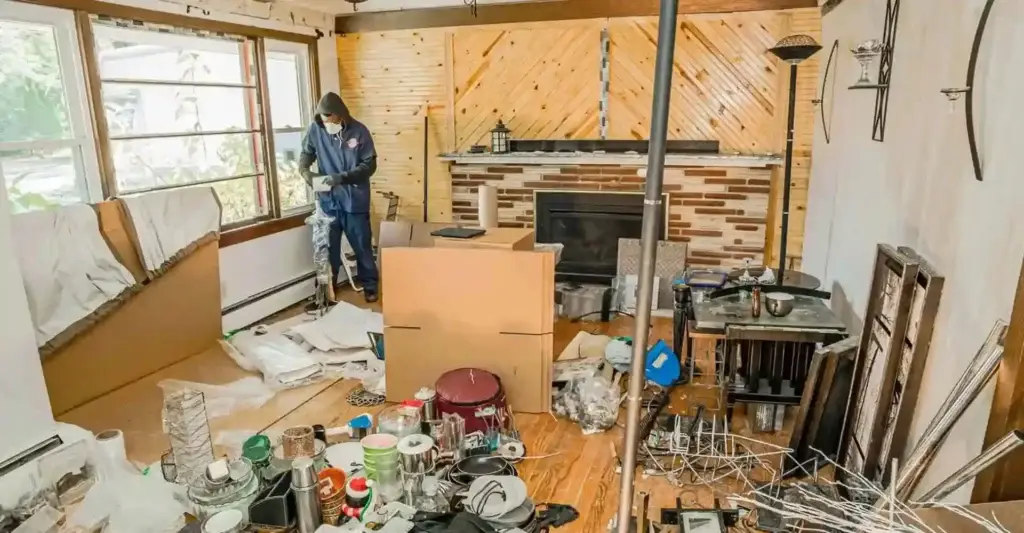
Mould Remediation: This is a comprehensive, multi-step process designed to return a property to a “Condition 1” status (a safe, natural fungal ecology). It involves identifying the moisture source, containing the area, filtering the air, and removing contaminated materials. This approach is designed with the end goal in mind of providing long-lasting results and ensuring your property stays mould-free for good.
Damp: The root cause of mould
You cannot have a mould problem without a moisture problem. Mould requires a food source (like wallpaper or wood) and a consistent supply of water to thrive. Understanding what common types of damp issues are affecting your property is the first step in any successful remediation strategy. Hiring a professional to carry out a damp survey to assess your property and carry out extensive measurements to accurately identify the root cause of your damp issues is a key part of successful mould remediation.
Condensation Damp
The most common form of damp in UK homes, condensation occurs because of thermal bridging which is when warm, moist air hits cold surfaces. This usually happens in poorly ventilated areas like bathrooms or kitchens, or behind large furniture where airflow is restricted. The condensation will usually form on the inside of external walls.
Penetrating Damp
Penetrating damp or water ingress occurs when water enters the property from the outside. It is often caused by structural defects such as leaking gutters, cracked rendering, or damaged roof tiles. It typically leaves “tide marks” on walls after heavy rainfall.
Rising Damp
Caused by groundwater traveling upwards through porous masonry via capillary action, rising damp is usually the result of a failed or non-existent damp proof course (DPC). It rarely rises more than one metre above ground level. Rising damp has unmistakable visual signs of “tide marks” and efflorescence, salty white deposits on the surface of the substrate.
Traumatic Damp (Internal plumbing leaks)
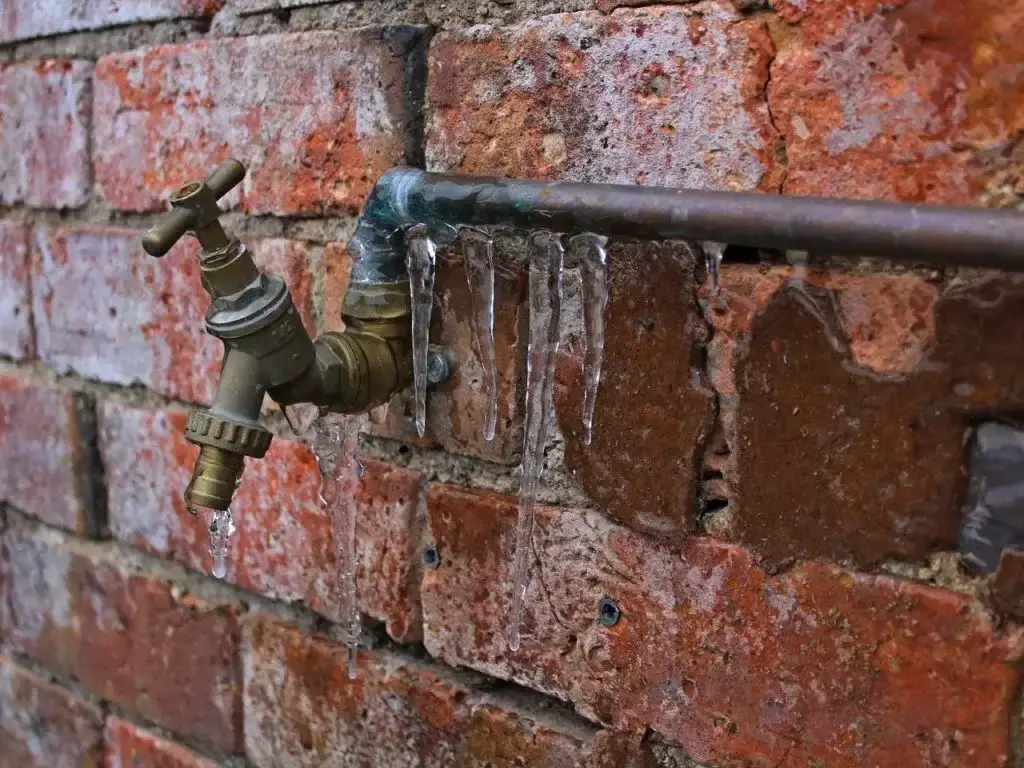
Unlike the slow onset of other damp types, traumatic damp is caused by a sudden event, such as a burst pipe, a leaking radiator, or a failing appliance seal. These leaks can saturate floor voids and wall cavities, leading to rapid mould growth if not dried professionally. Before mould removal or remediation can be carried out it is vital that professional leak detection is carried out to accurately locate and fix the leak. Failure to locate and fix the leak will mean that the damp issues will persist and as a result the mould in your property will quickly return and worsen.
Simply put, unless the underlying damp issue is resolved, any attempt at mould removal or remediation will fail. If the wall remains damp, the spores remaining in the environment will immediately settle and regrow. A professional remediation plan always includes a strategy to dry the building’s structure and fix the source of moisture, guaranteeing that the mould will not return.
The benefits of professional mould remediation
While removal might provide an immediate visual fix, professional mould remediation offers several long-term benefits that DIY cleaning cannot match:
1. Accurate Moisture Mapping
Using thermal imaging and moisture meters, specialists identify exactly why the mould grew in the first place, allowing for a permanent fix rather than a temporary cover-up.
2. HEPA Air Filtration
When you scrub mould, you disturb it, sending millions of spores into the air. Professional remediation uses industrial-grade HEPA air scrubbers to filter the air in your home. This captures the invisible biological contaminants that DIY cleaning leaves behind.
3. IICRC S520 Standards
Expert teams follow the global IICRC S520 standard for fungal remediation. This ensures that every step, from containment zones to the application of professional-grade biocides, is handled with clinical precision. You can learn more about these processes in our definitive guide to black mould removal.
Why professional remediation is better for long-lasting results
The reason many homeowners find themselves constantly cleaning the same patch of mould is that they are only performing removal, not remediation. Here is why the professional approach is the superior choice for a permanent solution:
Porous materials: Mould often penetrates deep into plasterboard and wood. Professionals know when a material can be cleaned and when it must be safely removed.
Legal compliance: With the introduction of Awaab’s Law in the UK, landlords now have a legal obligation to ensure properties are biologically safe. Professional remediation provides a certified audit trail.
Health protection: Exposure to mycotoxins can lead to respiratory issues. Remediation doesn’t just hide the smudge; it eradicates the risk.
Taking the first steps towards a mould-free home
If you are dealing with a small area, you might follow a safe DIY approach. However, if the mould is recurring or large-scale, it is time to move beyond simple removal. Mould can take root and spread in as little as 24-hours, in instances of DIY mould removal the surface spores are removed but the airborne spores remain and quickly take root once again.
At Ideal Response, we provide 24/7 expert support across London, Kent, and the South East. We don’t just clean; we decontaminate, remediate, and restore, providing you peace of mind and a mould-free property. We have years of hands on experience carrying out successful mould remediation, for a closer look at our process you can visit our Mould remediation & structural drying in London case study.
Call our emergency response team 0800 088 4170
Mould remediation FAQs
Is mould removal the same as mould remediation?
No. Mould removal is the physical cleaning of visible mould from a surface. Mould remediation is a holistic process that includes identifying the moisture source, containing the area to prevent spore spread, air filtration (HEPA), and the removal of deeply contaminated materials to ensure the mould does not return.
Can I do mould remediation myself?
Small areas of surface mould (less than 1 metre square) caused by simple condensation can often be cleaned using DIY methods. However, if the mould is recurring, covers a large area, or follows a flood/leak, professional remediation is required to safely manage airborne spores and underlying damp issues.
How do I know if I have a damp problem or just condensation?
Condensation usually appears as small black spots in corners or behind furniture. Structural damp (like penetrating or rising damp) often leaves distinct “tide marks,” causes plaster to bubble, or results in a musty smell that persists even when windows are open. A professional survey can confirm the exact type of damp using moisture mapping.
Will mould come back after it has been removed?
Mould will almost certainly return if only “removal” is performed without addressing the “root cause.” To guarantee a mould-free environment, you must resolve the underlying damp issue, whether that is fixing a leak, improving ventilation, or repairing a damp proof course.
Is professional mould remediation expensive?
The cost of remediation varies based on the extent of the damage. While it is more an investment than a simple bottle of spray, it saves money in the long run by preventing structural damage to your property and avoiding the need for repeated, ineffective cleaning.

Tahlia Ibrahim - Delivery Manager
Tahlia has over four and a half years of in-depth experience across various facets of the disaster recovery industry. Having progressed through roles in marketing and sales to her current position, Tahlia possesses a comprehensive understanding of the entire business operation, from initial client contact to meticulous service delivery. A certified BioSweep Specialist, she excels in advanced odour elimination techniques, ensuring thorough restoration.