Available 24/7 | 0800 088 4170

Available 24/7 | 0800 088 4170
Discovering dark patches on your walls or ceilings is a frustrating experience for any homeowner. Your first instinct is likely to search for the most effective black mould killer to wipe away the problem and restore your property.
While there are numerous off-the-shelf products and household remedies that can provide a quick visual fix, it is vital to understand the difference between surface cleaning and true eradication. In this guide, we’ll explore the common products used to tackle mould and why, for long-term health and structural integrity, professional mould remediation is often the only permanent solution.
Key Takeaway: A mould killer is only as effective as your moisture control. Without stopping the water source, mould will return within weeks.
Skip to:
Common black mould killers
The dangers of mould exposure
The underlying root cause of mould
Avoiding a quick “fix”
The risks of DIY removal
The benefit of professional remediation
Seeking professional support
FAQs
If you are dealing with a very small, isolated area of surface mould (such as on bathroom grout), you might consider these common options:
Searching for a black mould killer isn’t just about aesthetics; it is about protecting the occupants of the building. Mould is a biological hazard that releases spores and mycotoxins into the air, which can have a significant impact on human health.
The health risks of black mould are particularly dangerous for vulnerable groups, such as the elderly, children, or those with existing respiratory conditions like asthma. When mould is present, it can trigger allergic reactions and persistent coughing.
Furthermore, many people living in damp environments experience “brain fog,” chronic fatigue, or persistent headaches without realising they are suffering from mould toxicity symptoms . Ignoring the problem or simply “painting over it” allows these toxins to continue circulating in your indoor air.
Underlying moisture issues are the root cause of mould growth. Without moisture mould is not able to grow and thrive. Failure to identify and solve this moisture problem will result in persistent mould growth.
Even the most potent black mould killer will fail if the environment remains conducive to fungal growth. Mould is opportunistic; it requires moisture to survive and thrive. To prevent a recurring cycle of cleaning and regrowth, you must first identify and rectify the source of water ingress.
There are several common types of damp issues in homes, including:
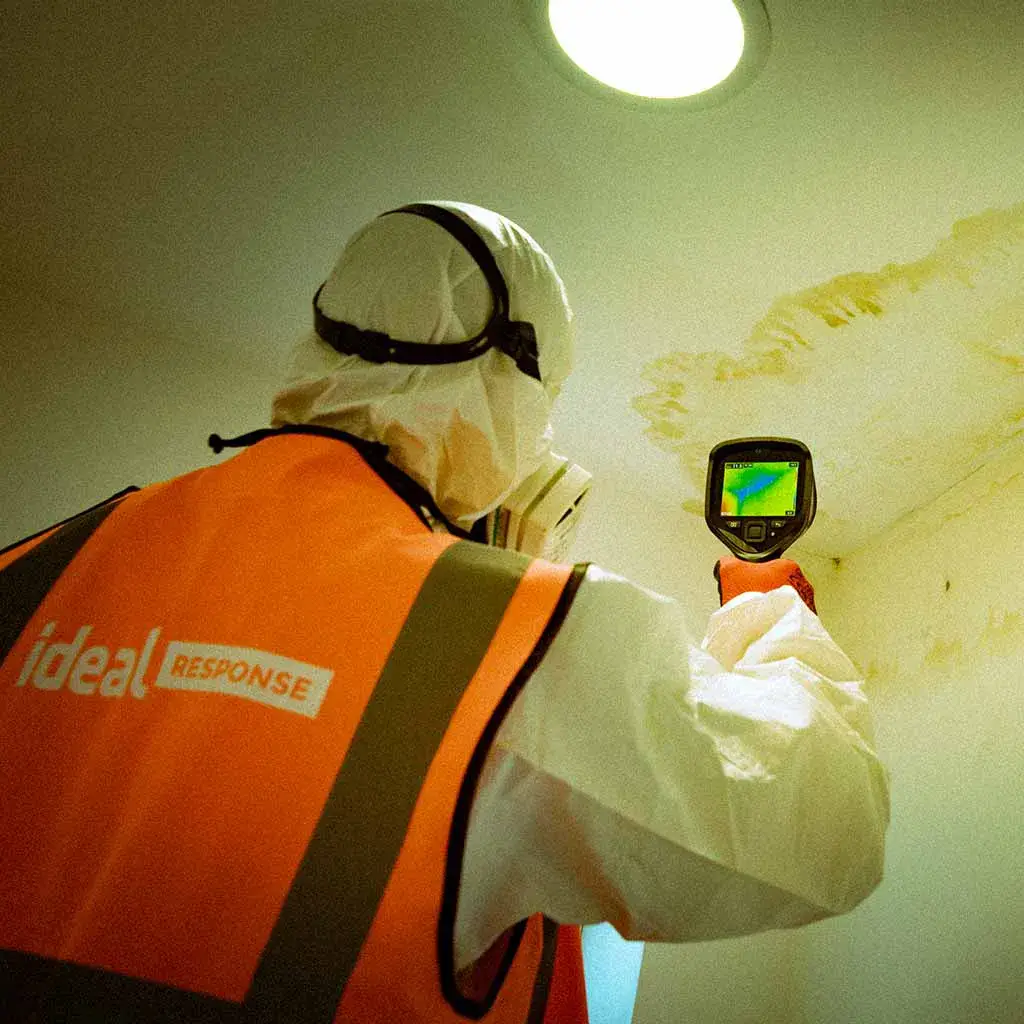
Identifying the specific culprit often requires more than a visual inspection. This is where damp surveys become invaluable. Professional surveyors use moisture meters and thermal imaging to map moisture within the building’s fabric.
If the damp is suspected to be coming from an internal pipe failure rather than structural damp, you may require leak detection. Pinpointing the exact source of moisture is the only way to ensure that your remediation efforts aren’t wasted.
Once the damp issue is resolved, professional mould remediation ensures that the structure is properly dried out and decontaminated, removing the biological footprint of the mould entirely. Read our Mould Remediation & Structural Drying case study to better understand what mould removal looks like and why professional drying is a must for solving the underlying moisture issues.
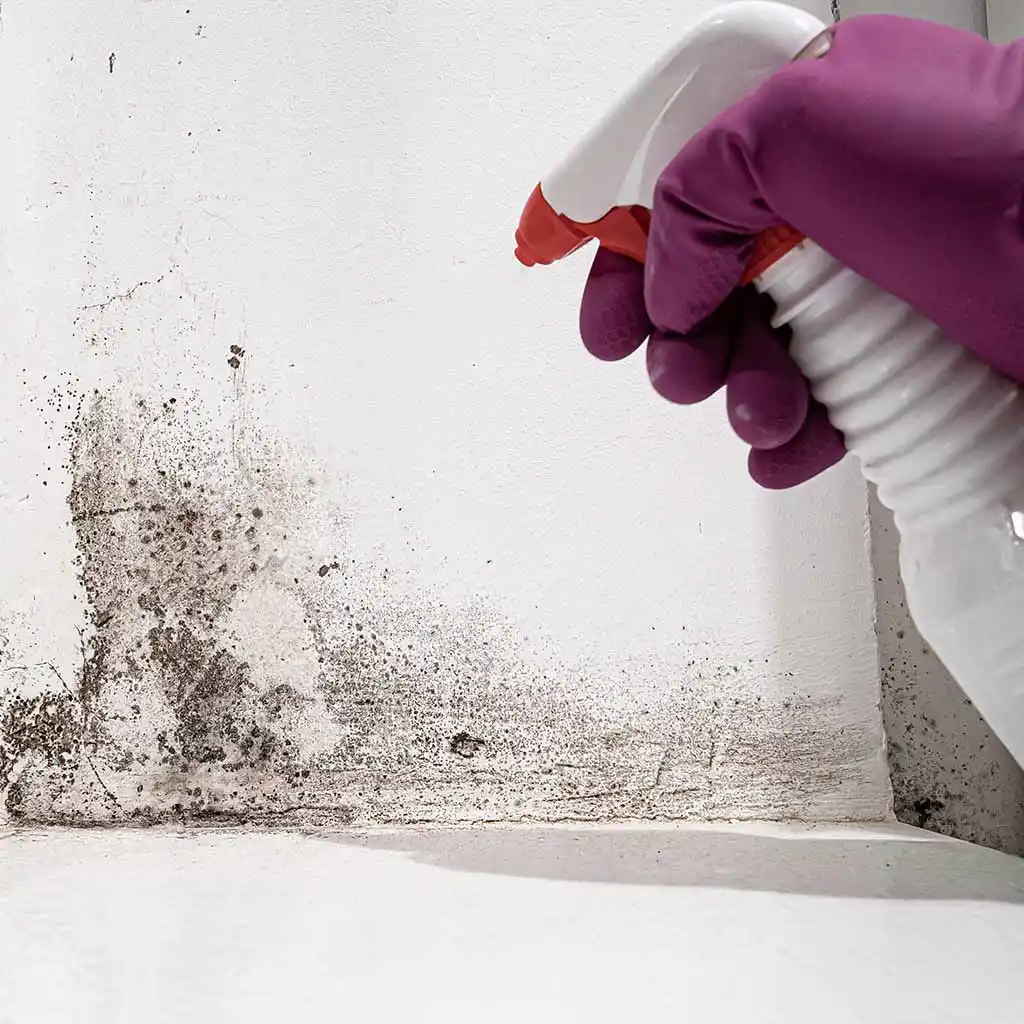
The primary issue with using a standard black mould killer from a supermarket is that it only treats the symptom. If the underlying damp issue or high humidity isn’t addressed, the mould will inevitably return. It is also important to distinguish between simple “removal” and “remediation.” While you might know how to remove mould from a surface level, remediation involves a much deeper process. To understand why this distinction matters for your property’s health, see our comparison of mould removal vs. mould remediation .
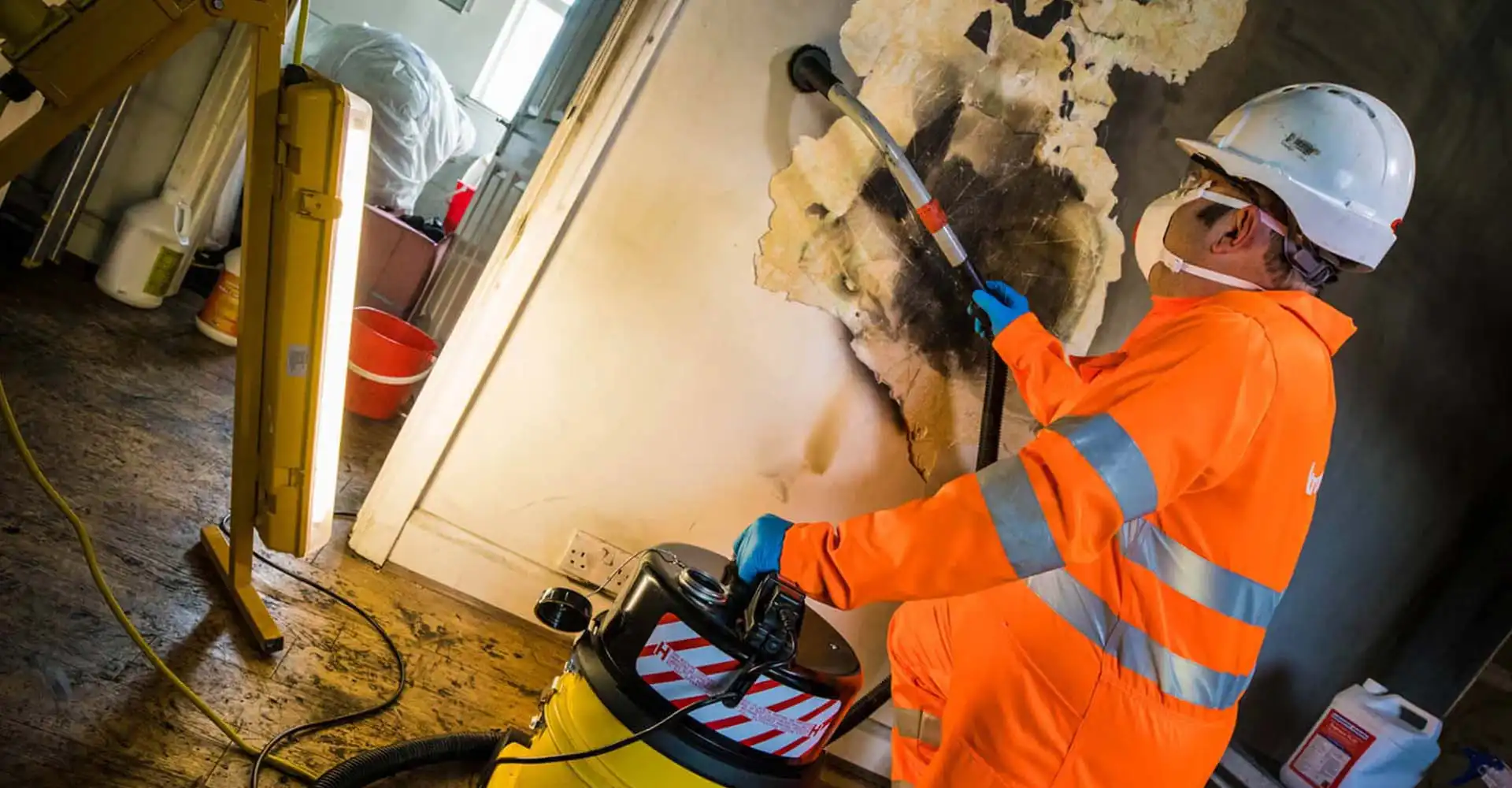
Tackling black mould yourself isn’t just about whether the product works; it’s about safety. Disturbing mould colonies can release thousands of spores into the air. Professional teams use specialist PPE and HEPA filtration to ensure that spores are contained. For a deeper look at the complexities involved, check out our article on black mould removal.
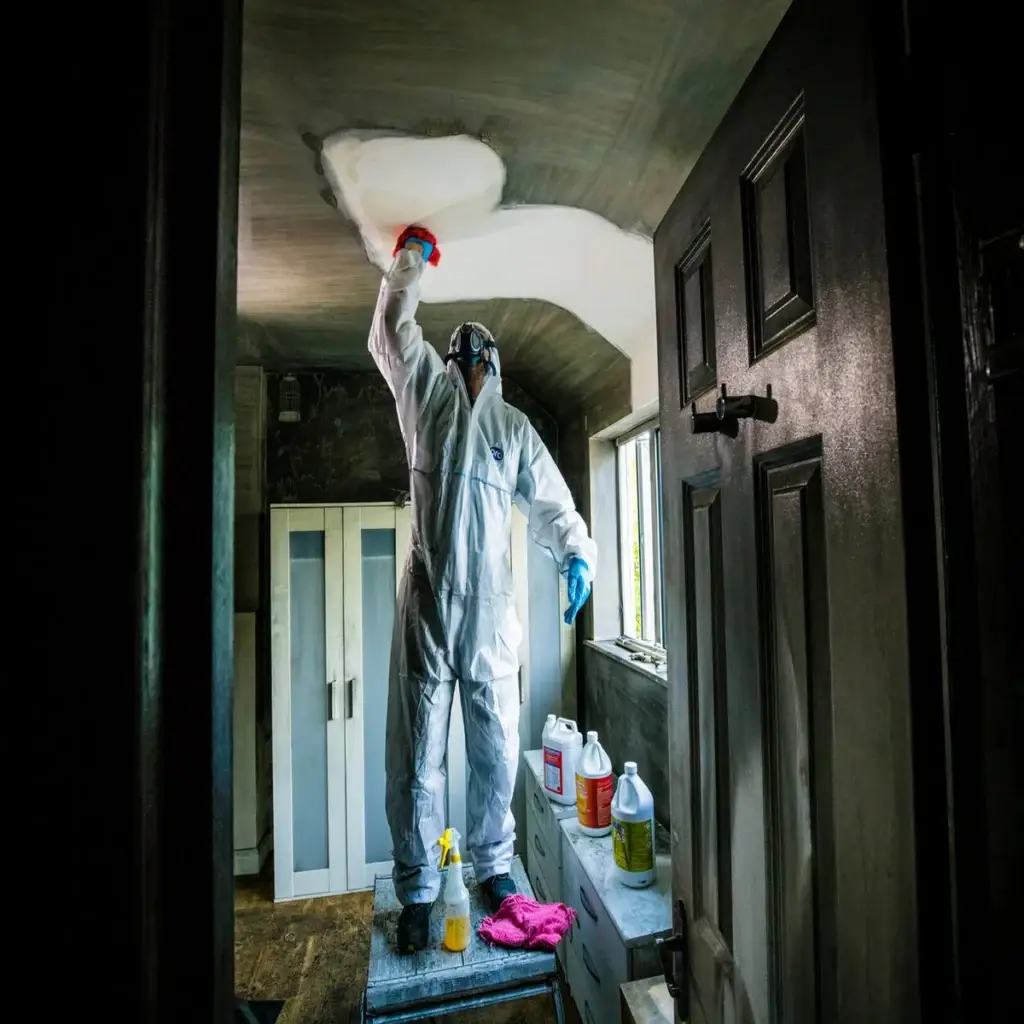
The only guaranteed black mould killer is a professional remediation strategy. At Ideal Response, our approach goes beyond just scrubbing surfaces. We provide:
While many worry about the professional mould cleaning cost in the UK, repeated DIY attempts often cost more in the long run through wasted products and worsening property damage.
A supermarket black mould killer might be a tempting temporary fix, but it rarely provides a permanent solution. To protect your health and your home, it is essential to address the root cause.
Ideal Response has over 20 years experience offering professional mould remediation to UK property owners. We’re available 24/7, 365 days a year, ensuring that our experts are always ready and available to help return your property to a mould free state.
Don’t let mould take over your home. Contact Ideal Response today for a comprehensive survey and permanent remediation solution.

Chris Hedges is Head of Marketing at Ideal Response and the author of every article published on this site. With over 25 years of senior marketing experience across property, legal, and professional services sectors, Chris brings a clear, evidence-led approach to writing about fire damage, flood restoration, and specialist property remediation. His philosophy is simple: cut through the noise, respect the reader's time, and give people the information they actually need.
Explore more articles about damage restoration, specialist cleaning and what we do
If you’re dealing with fire damage, flooding, or an environmental incident, our team is ready to respond. No matter if you have a question or have an emergency that you need help with, call:
If you’d prefer to drop us a message, use our main contact form and upload any pictures of the incident. Would you like us to call you? Fill out the short ‘Request a call back’ form.