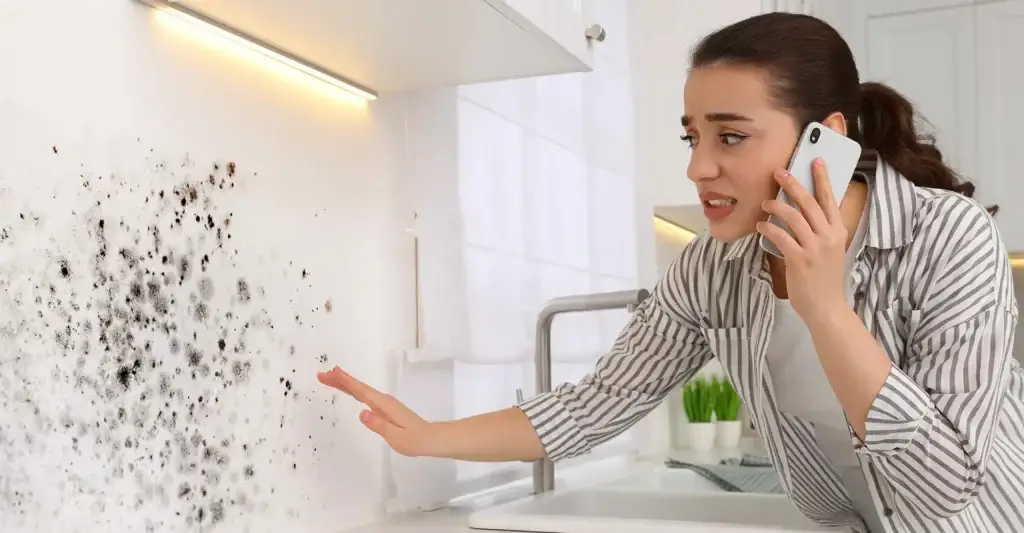
Discovering dark patches on your walls or ceilings is a frustrating experience for any homeowner. Your first instinct is likely to search for the most effective black mould killer to wipe away the problem and restore your property.
While there are numerous off-the-shelf products and household remedies that can provide a quick visual fix, it is vital to understand the difference between surface cleaning and true eradication. In this guide, we’ll explore the common products used to tackle mould and why, for long-term health and structural integrity, professional mould remediation is often the only permanent solution.
Key Takeaway: A mould killer is only as effective as your moisture control. Without stopping the water source, mould will return within weeks.
Skip to:
The underlying root cause of mould
Common DIY black mould killers
If you are dealing with a very small, isolated area of surface mould (such as on bathroom grout), you might consider these common options:
Bleach-based cleaners: Many commercial “mould and mildew” sprays rely on sodium hypochlorite. While effective at removing the black staining on non-porous surfaces, bleach often fails to kill the mould’s root system (hyphae) on porous materials like plasterboard or wood.
Vinegar and natural solutions: For those looking for a non-toxic approach, white vinegar is a popular choice. It is mildly acidic and can kill many species of mould, but like bleach, it struggles with deep-seated infestations.
Anti-mould paints: These are often marketed as a preventative measure. However, applying these over active mould without proper treatment is a common mistake. You can read more about the pitfalls of improper application in our guide on black mould DIY removal.
What are the dangers of mould exposure?
Searching for a black mould killer isn’t just about aesthetics; it is about protecting the occupants of the building. Mould is a biological hazard that releases spores and mycotoxins into the air, which can have a significant impact on human health.
The health risks of black mould are particularly dangerous for vulnerable groups, such as the elderly, children, or those with existing respiratory conditions like asthma. When mould is present, it can trigger allergic reactions and persistent coughing.
Furthermore, many people living in damp environments experience “brain fog,” chronic fatigue, or persistent headaches without realising they are suffering from mould toxicity symptoms. Ignoring the problem or simply “painting over it” allows these toxins to continue circulating in your indoor air.
What is the root cause of mould?
Underlying moisture issues are the root cause of mould growth. Without moisture mould is not able to grow and thrive. Failure to identify and solve this moisture problem will result in persistent mould growth.
Even the most potent black mould killer will fail if the environment remains conducive to fungal growth. Mould is opportunistic; it requires moisture to survive and thrive. To prevent a recurring cycle of cleaning and regrowth, you must first identify and rectify the source of water ingress.
There are several common types of damp issues in homes, including:
-
Condensation: Resulting from poor ventilation.
-
Rising Damp: Moisture traveling upwards through walls.
-
Penetrating Damp: Water entering through structural defects.
The role of professional diagnostics
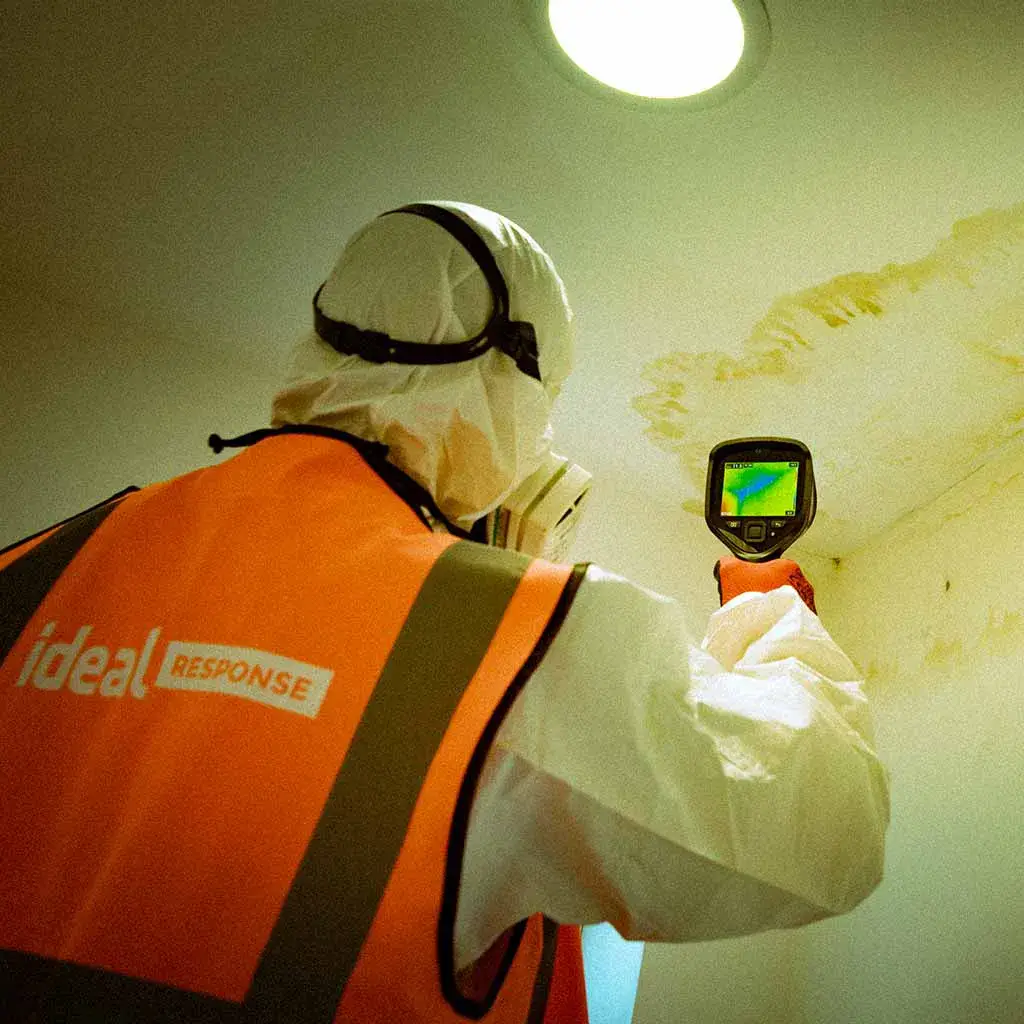
Identifying the specific culprit often requires more than a visual inspection. This is where damp surveys become invaluable. Professional surveyors use moisture meters and thermal imaging to map moisture within the building’s fabric.
If the damp is suspected to be coming from an internal pipe failure rather than structural damp, you may require professional leak detection. Pinpointing the exact source of moisture is the only way to ensure that your remediation efforts aren’t wasted.
Once the damp issue is resolved, professional mould remediation ensures that the structure is properly dried out and decontaminated, removing the biological footprint of the mould entirely. Read our Mould Remediation & Structural Drying case study to better understand what mould removal looks like and why professional drying is a must for solving the underlying moisture issues.
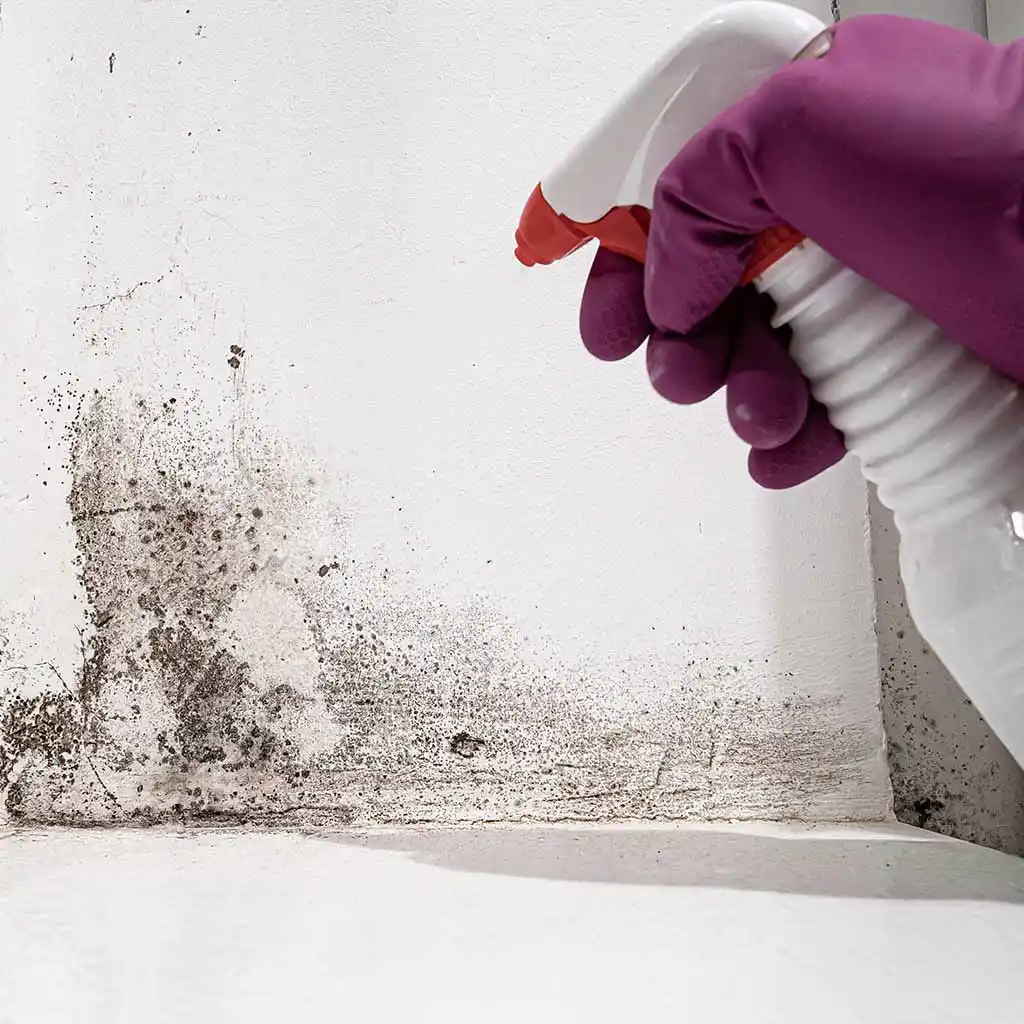
Why don’t quick fixes work?
The primary issue with using a standard black mould killer from a supermarket is that it only treats the symptom. If the underlying damp issue or high humidity isn’t addressed, the mould will inevitably return.
It is also important to distinguish between simple “removal” and “remediation.” While you might know how to remove mould from a surface level, remediation involves a much deeper process. To understand why this distinction matters for your property’s health, see our comparison of mould removal vs. mould remediation.
What is the risk of DIY mould removal?
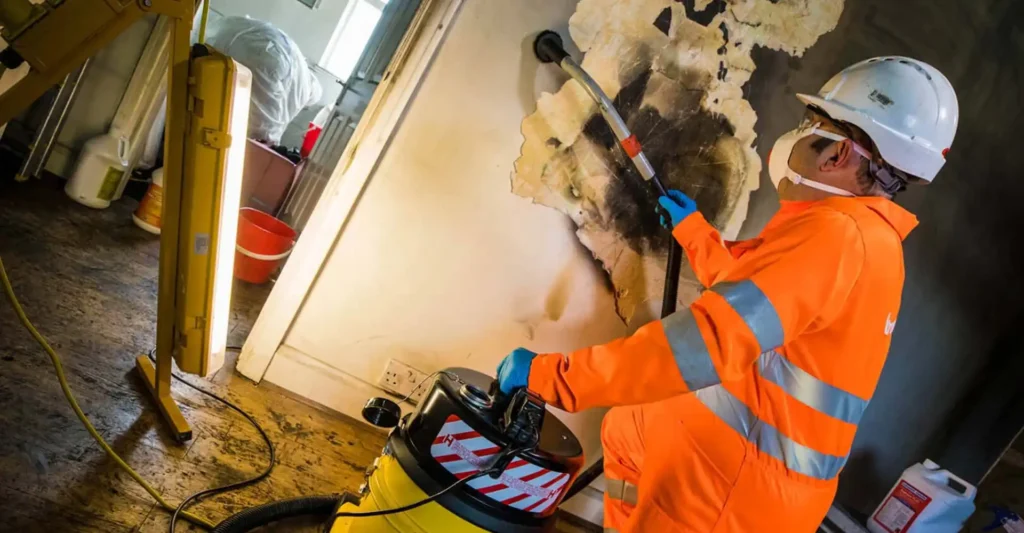
Tackling black mould yourself isn’t just about whether the product works; it’s about safety. Disturbing mould colonies can release thousands of spores into the air. Professional teams use specialist PPE and HEPA filtration to ensure that spores are contained. For a deeper look at the complexities involved, check out our article on black mould removal.
Why professional remediation is the real “killer”
The only guaranteed black mould killer is a professional remediation strategy. At Ideal Response, our approach goes beyond just scrubbing surfaces. We provide:
Expert assessment: Identifying the type of mould and the moisture source.
Specialist chemicals: We use industrial-grade biocides far more effective than consumer products.
Airborne spore removal: Using air scrubbers to ensure the air you breathe is clean.
Long-term guarantees: Peace of mind that the problem won’t return.
While many worry about the professional mould cleaning cost in the UK, repeated DIY attempts often cost more in the long run through wasted products and worsening property damage.
Conclusion: Seeking a professional support
A supermarket black mould killer might be a tempting temporary fix, but it rarely provides a permanent solution. To protect your health and your home, it is essential to address the root cause.
Ideal Response has over 20 years experience offering professional mould remediation to UK property owners. We’re available 24/7, 365 days a year, ensuring that our experts are always ready and available to help return your property to a mould free state.
Don’t let mould take over your home. Contact Ideal Response today for a comprehensive survey and permanent remediation solution.
Call our emergency response team 0800 088 4170
Black mould killer FAQs
What is the strongest black mould killer?
While industrial-grade biocides used by professionals are the “strongest,” most household users find sodium hypochlorite (bleach-based) sprays effective for surface cleaning. However, strength isn’t the only factor; a killer must be able to penetrate porous surfaces to reach the mould’s root system (hyphae). Professional remediation uses specialised surfactants to ensure the chemical reaches deep into the material.
Does bleach actually kill black mould?
Bleach is effective at removing the dark stains (pigment) of mould on non-porous surfaces like tile or glass. However, on porous materials like plasterboard, wood, or brick, the ionic structure of bleach prevents it from soaking in. This often leaves the roots alive while the water in the bleach actually provides more moisture for the mould to grow back faster.
Can I just paint over black mould with anti-mould paint?
No. Applying anti-mould paint over active growth is a temporary cosmetic fix. The mould will eventually eat through the paint or continue to spread behind it, causing structural damage. You must use a professional-grade black mould killer and, more importantly, resolve the moisture source before any decorative work begins.
How do I know if I need a professional damp survey?
If you have used a black mould killer and the growth returns within weeks, you likely have an underlying moisture issue. A professional damp survey is necessary to determine if the cause is condensation, rising damp, or penetrating damp. If the moisture is caused by a hidden pipe leak, you may specifically need leak detection services.
Is it safe to stay in the house while treating black mould?
Small patches of surface mould (less than 1 square metre) can usually be treated while staying in the home. However, for larger infestations or if you are sensitive to mould toxicity symptoms, it is safer to have a professional team handle the removal. Professionals use air scrubbers to ensure spores don’t spread to other rooms during the cleaning process.
Why does mould keep coming back after I clean it?
Mould returns because the environmental conditions haven’t changed. Mould requires a moisture source and organic material to feed on. If your humidity levels are high or there is a structural defect causing dampness, no amount of “killer” will stop the cycle. Successful mould remediation focuses on “Source over Symptom.”
What is the difference between mould removal and mould remediation?
Mould removal is the physical act of cleaning the visible growth. Mould remediation is a comprehensive process that includes identifying the moisture source, removing contaminated air, deep-cleaning structural materials, and ensuring the environment is restored to a safe, “normal fungal ecology.”

Tahlia Ibrahim - Delivery Manager
Tahlia has over four and a half years of in-depth experience across various facets of the disaster recovery industry. Having progressed through roles in marketing and sales to her current position, Tahlia possesses a comprehensive understanding of the entire business operation, from initial client contact to meticulous service delivery. A certified BioSweep Specialist, she excels in advanced odour elimination techniques, ensuring thorough restoration.